
Exploring cultural perspectives on gambling practices around the world
The Historical Context of Gambling
Gambling has existed in various forms for thousands of years, reflecting the cultural, social, and economic contexts of different societies. In ancient civilizations such as Mesopotamia and China, dice games and betting on chariot races were common, often intertwined with religious rituals. These early practices reveal a fundamental human attraction to chance, luck, and the thrill of uncertainty. Additionally, online platforms, such as https://katsubetcasino-ca.com/, are modern interpretations of traditional gambling.
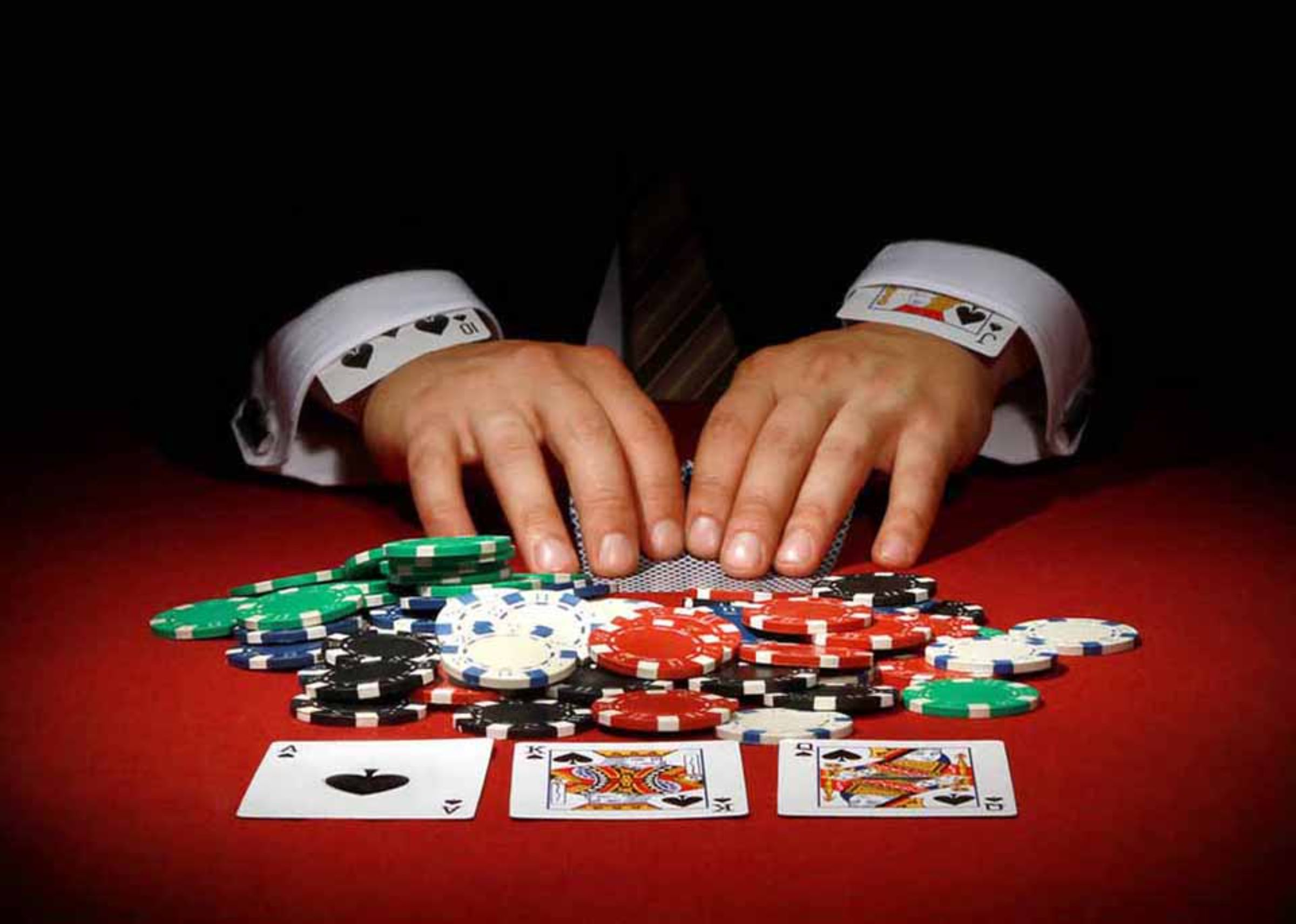
Over time, gambling evolved, influenced by trade, colonization, and technological advancements. For instance, in Europe during the Renaissance, the establishment of formal casinos became a mark of social status. The diverse historical trajectories of gambling illustrate how it has been both a source of entertainment and a reflection of societal values across cultures.
Cultural Attitudes Toward Gambling
The perception of gambling varies significantly across cultures, shaped by factors such as religion, societal norms, and economic conditions. In some cultures, gambling is viewed as a harmless pastime, a form of entertainment that enhances social interaction. For instance, in the United States, casinos and lotteries are widely accepted and regulated, contributing to state revenues and offering entertainment to millions.
Conversely, in cultures where gambling is associated with vice or moral decay, it may be stigmatized. In many Islamic countries, for example, gambling is prohibited due to religious beliefs, reflecting a broader commitment to social order and ethics. Such diverse perspectives illustrate the complex relationship between gambling and cultural identity.
Luck vs. Skill in Gambling Practices
The debate over luck versus skill in gambling is a central theme across many cultures. In games like poker and blackjack, skill plays a crucial role, requiring strategy and psychological insight. This has led to a cultural appreciation for gambling as a contest of wits, particularly in Western societies where tournaments and professional players gain fame.
In contrast, games of pure chance, such as lotteries and slot machines, emphasize luck, leading to different cultural narratives around hope and aspiration. Many cultures celebrate the idea of ‘the big win,’ framing it as a life-changing moment. This duality highlights how different gambling practices reflect varying beliefs about fate and human agency.
Modern Innovations in Gambling
The rise of technology has transformed gambling practices around the world. Online casinos and mobile gaming have made gambling more accessible, transcending geographical and social barriers. This shift has led to new cultural norms, where people can engage in gambling activities from the comfort of their homes, often integrating social media for a communal experience.
Moreover, innovations such as live dealer games and virtual reality casinos are redefining how players perceive and interact with gambling. These advancements not only enhance the gaming experience but also blur the lines between traditional and digital gambling, impacting how different cultures engage with this age-old practice.

Exploring Katsubet Casino’s Unique Offering
Katsubet Casino Canada exemplifies the modern approach to online gambling, blending cutting-edge technology with a diverse range of gaming options. With features like high return-to-player rates and generous welcome bonuses, it attracts players looking for both entertainment and rewarding experiences.
The platform prioritizes security and user experience, ensuring that players can enjoy their favorite games with peace of mind. As online gambling continues to evolve, sites like Katsubet Casino are playing a crucial role in shaping contemporary gambling culture, offering insights into how global perspectives on gaming are being transformed in the digital age.