
Understanding the psychology behind gambling behavior in casinos
The Allure of Risk and Reward
The excitement of gambling often stems from the thrill of risk-taking. For many, the possibility of winning a substantial amount of money can be a powerful motivator. This allure is deeply rooted in human psychology, where risk-taking can stimulate the brain’s reward system. The release of dopamine, a neurotransmitter associated with pleasure and satisfaction, can create a euphoric feeling, enhancing the overall gambling experience. Additionally, those looking for excitement canplay Aviator, which offers high-stakes thrills and unique gameplay.

This reward system not only reinforces the behavior but can also lead to a cycle of repeated gambling. Players may find themselves chasing losses, convinced that they can recover their funds with just one more bet. This can result in a perilous cycle where the pursuit of the elusive big win overshadows the potential for financial loss.
The Role of Environment in Gambling Behavior
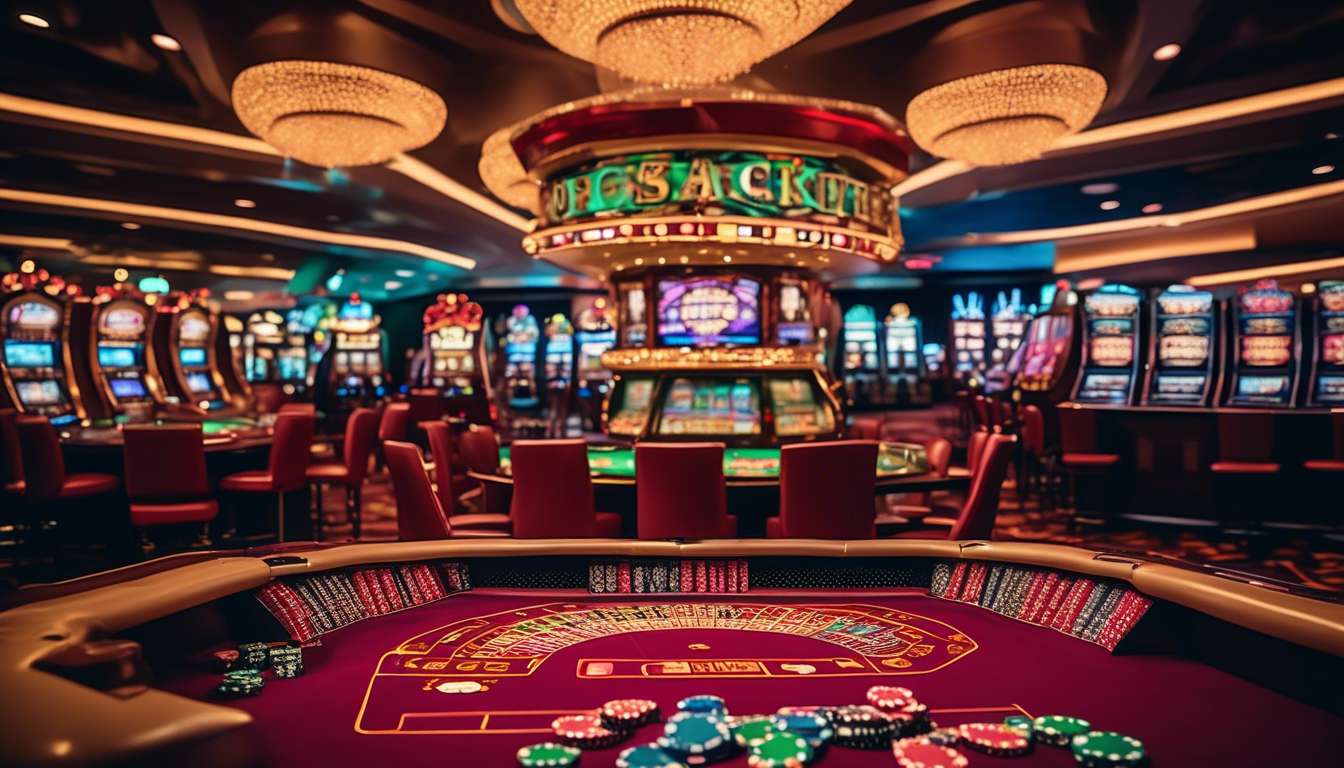
Casinos are meticulously designed to create an enticing atmosphere that keeps players engaged. From vibrant lights to the sounds of ringing slot machines, every element is crafted to enhance the excitement of gambling. This environment can influence a player’s decision-making process, often leading them to play longer than intended. The sensory experiences can heighten emotions, making it easy for players to lose track of time and money.
Cognitive Biases in Gambling Decisions
Cognitive biases significantly impact gambling behavior. One common bias is the illusion of control, where players believe they can influence the outcome of games that are inherently random. This can lead to overconfidence, where individuals feel compelled to increase their bets, believing they possess unique skills or strategies that will lead to victory.
Another relevant bias is the gambler’s fallacy, the misconception that past events can influence future outcomes. For instance, a player might believe that a slot machine is “due” for a payout after a series of losses. These biases can cloud judgment and lead to irrational decisions, often resulting in increased gambling behavior and losses.
The Impact of Emotional State on Gambling
Emotions play a pivotal role in gambling behavior. For some, gambling serves as an escape from stress, anxiety, or other negative feelings. The thrill of betting can temporarily lift one’s mood, leading to further engagement with gambling activities. However, this emotional reliance can lead to problematic behaviors, where individuals turn to gambling as a primary coping mechanism.
Conversely, positive emotions can also drive gambling behavior. A player who is on a winning streak may experience heightened excitement and confidence, prompting them to gamble more. This emotional rollercoaster can make it challenging for individuals to maintain a balanced perspective, increasing the likelihood of impulsive betting and poor financial decisions.
Exploring Online Gambling Platforms
As technology advances, online gambling platforms have become increasingly popular. These platforms offer unique experiences that cater to the psychological needs of gamblers. For instance, games like the Aviator Game provide fast-paced rounds and high stakes, enticing players with the promise of significant rewards. The user-friendly interfaces make it easy for players to engage quickly, often resulting in longer play sessions.
Moreover, online platforms offer features that amplify the thrill of gambling, such as real-time updates on potential winnings and interactive gameplay elements. This engagement can keep players coming back, blurring the line between entertainment and compulsive behavior. Understanding these dynamics is crucial for responsible gambling practices and ensuring a healthy approach to gaming.
“`